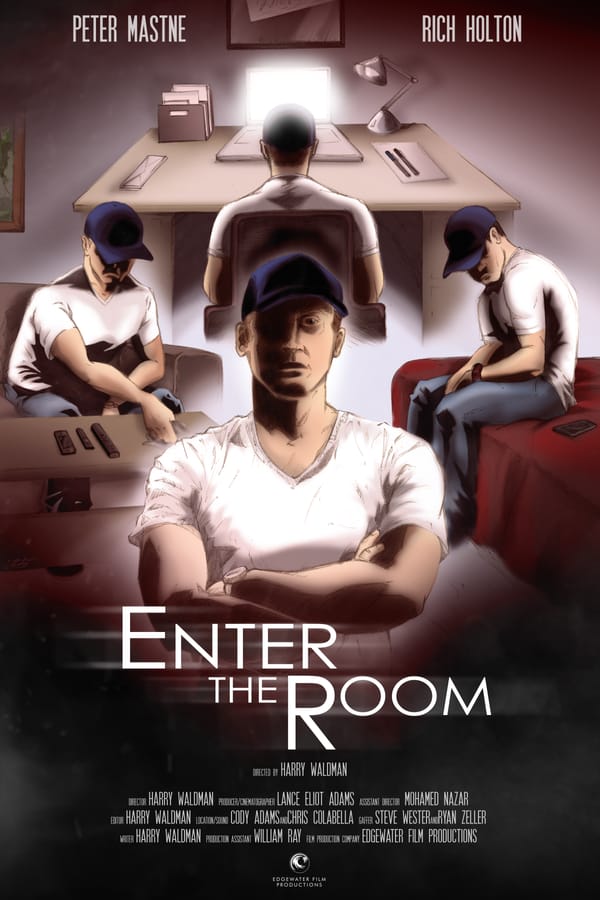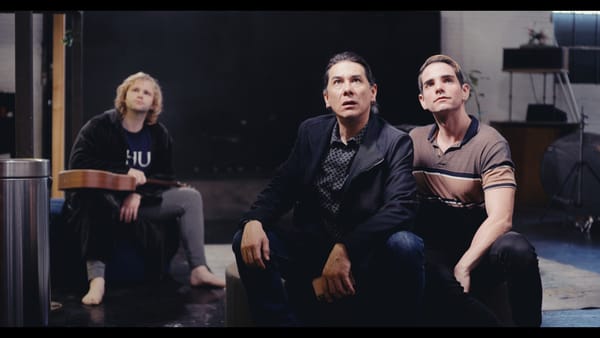
Cutaways has a lot of potential, particularly in its cast’s performances, and opens with some inventive cinematography. A collection of tight shots immediately draws us into Evan’s internal experience, while his pointless argument with an answering machine establishes the film’s dark humor. The mortgage collection message plays against a technology largely consigned to the past, adding a nostalgic touch. There’s something about the film that recalls the 1990s, including Evan’s aspirations toward avant-garde, groundbreaking filmmaking. Beneath those aspirations, though, is an interesting question: is meaningful filmmaking actually happening here anymore, or has the whole enterprise become an industry of self-gratification?
Welcome, dear reader, we're so excited to have you here. Please consider subscribing to our newsletter to get Unenlightened Generalist content in your inbox regularly!
Watch the official Cutaways trailer
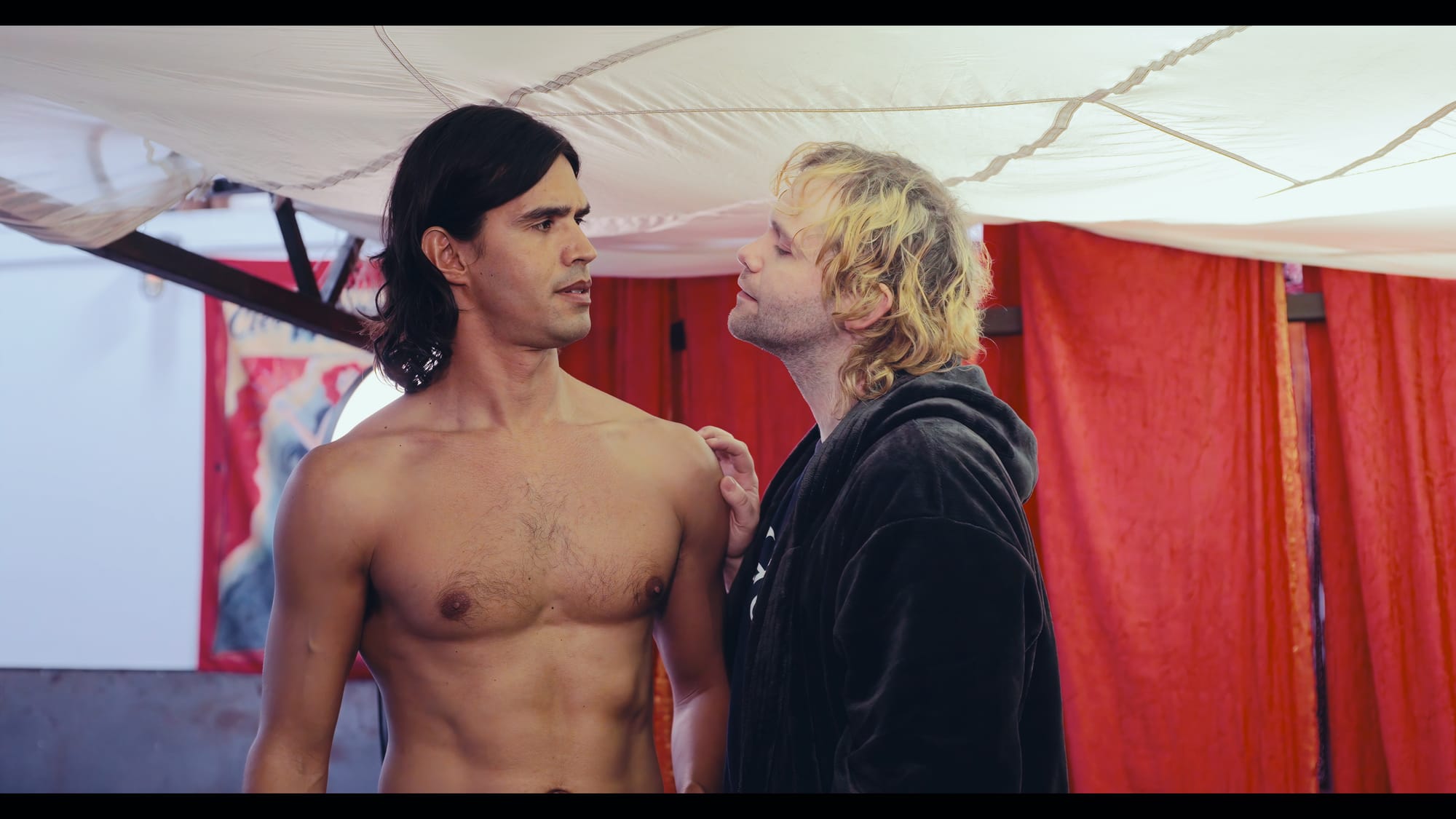
One of my favorite sequences comes during the early filming between Ryan and Andy. Viewing part of the scene through Evan’s camera gives us a parody of early black-and-white silent cinema, where exaggerated performance becomes part of the cinematic language. What begins as an amusing stylistic exercise then develops into something considerably more unsettling. Evan’s investment in directing the scene exposes a psychological gratification that complicates his claims to artistic seriousness. For a moment, the film’s humor, visual invention, and discomfort work together very effectively.
Unfortunately, the middle flags heavily. The film becomes bogged down in a sort of tensionless malaise, and previously established character traits seem to give way to the demands of its argument. Andy’s death is the clearest example. The characters’ willingness to treat a human tragedy as a production problem makes a recognizable satirical point about exploitation. Yet the tragedy itself ends up feeling more like a plot gimmick than an experience happening to people. Its consequences become logistical before they have much opportunity to become emotional.
That problem extends into the film’s broader treatment of artistic ambition. There is substantial material here: Evan depends on a producer who controls his work and housing, while exercising his own smaller authority over the performers. His experience of being exploited has done little to prevent him from exploiting others. But as these ideas become more explicit, the film begins to feel like a self-conscious theatrical argument. I found myself increasingly aware of what the characters represented, and less invested in what they were experiencing.
This is often the difficulty with a film trying to make a point. The point depends on our connection to the people involved. When the argument overrides their humanity, it weakens the emotional investment that would give the argument its force. Even the ending’s possibility of a professional second chance leaves a question hanging over Evan: what has actually changed in how he understands or treats other people?
For me, Cutaways works best at the level of individual scenes and exchanges. A number are darkly humorous or poignant, and the actors largely succeed in finding the right emotional register for the moment. Those strengths make the loss of momentum in the middle more noticeable, because the film has already demonstrated what it can accomplish. Still, it remains worthwhile. There is enough promise in the writing, acting, cinematography, and direction to make further work from these artists worth taking the time to watch.
I’m Odin Halvorson, a librarian, life coach, and fiction author. If you like my work and want to support what we do here at Unenlightened Generalists, please consider becoming a paid subscriber to our newsletter for as little as $2.50 a month!
Support us in other ways:
- Start writing and reading with the Supernote, and support me at the same time!
- Like audiobooks? Hate DRM? Use this affiliate link to sign up for Libro.fm, where you actually own the books you buy!
- Want your own Ghost newsletter? Check out MagicPages for the cheapest hosting rates via my affiliate link (they even offer lifetime hosting plans!)
Thanks for your support!